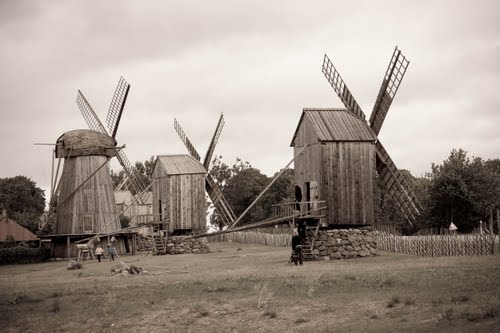
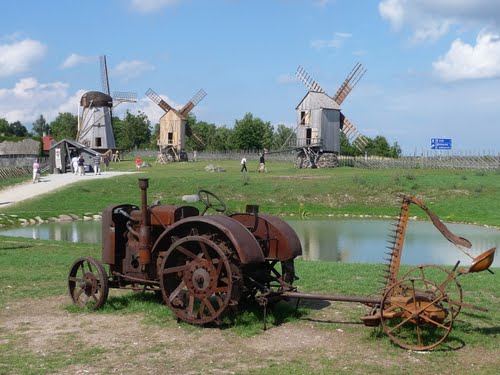
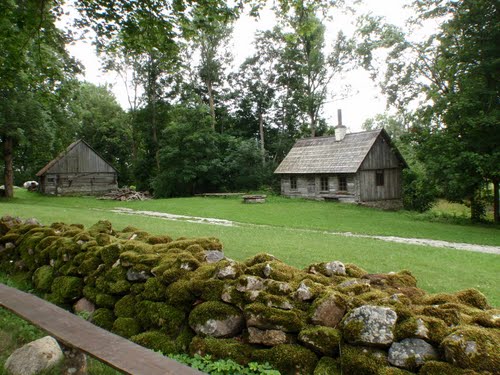
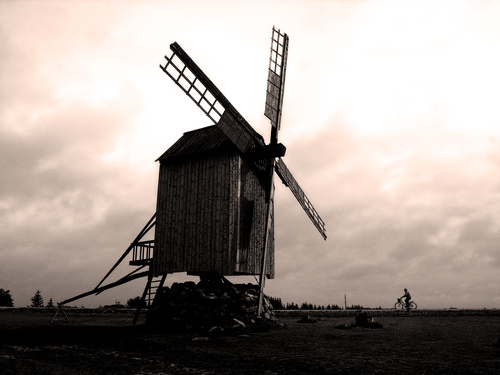
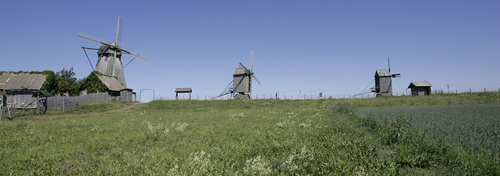
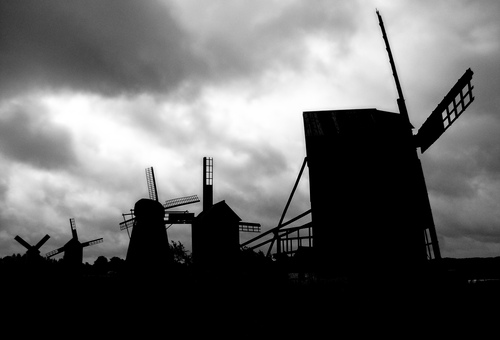
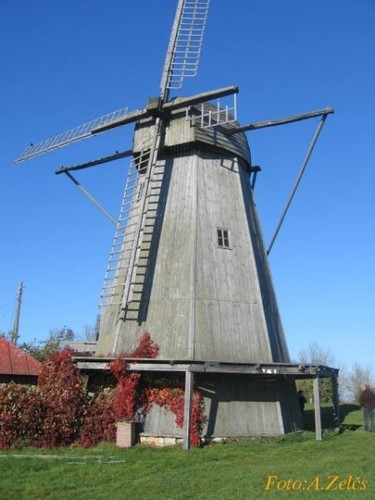
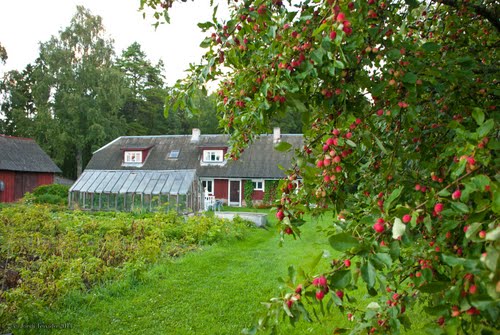
Saaremaa - the biggest island of Estonia is known as a good recreation place with unique nature and a lot of sights. Saaremaa has retained its uniqueness due to its location and insulation. In the villages there are still stone fences and houses with thatched roofs, beautiful national costumes and dialectal language are still used. Junipers, dolomite, windmills and the famous local home-brewed beer are considered the symbols of Saaremaa.
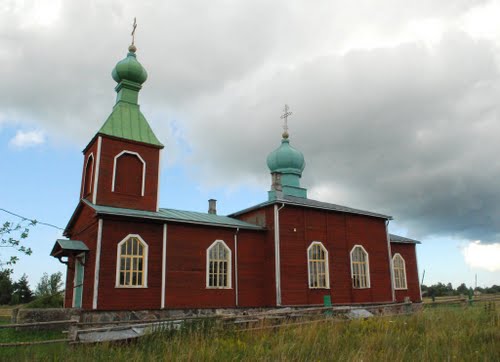
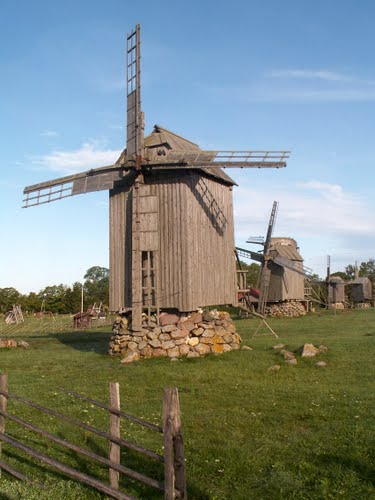
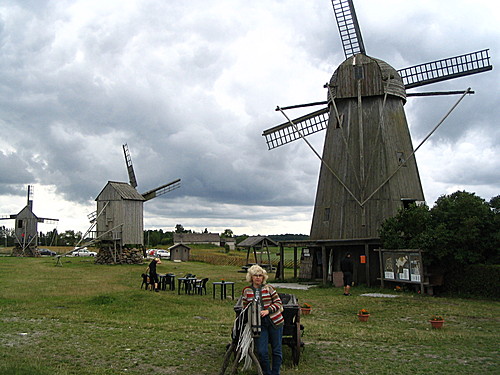
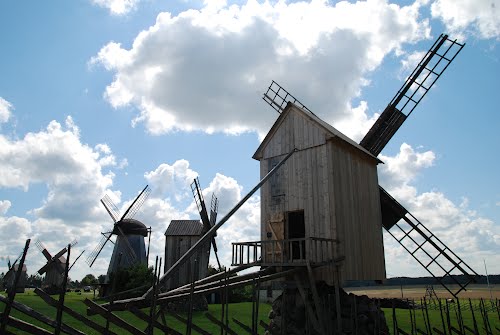
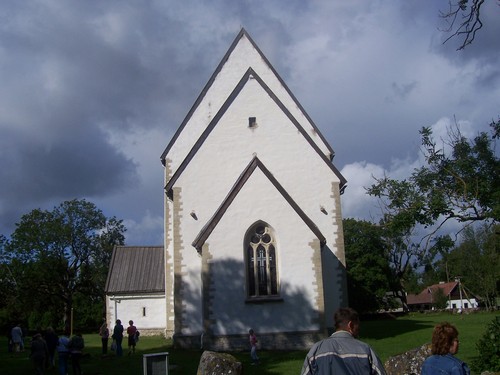
Among the numerous sights of Saaremaa, several are worth calling special attention to, e. g. Angla windmill hill, Mustjala cliff, bell tower built in the 17Ih century at Kihelkonna, manor house at Loona, ruins of Maasi castle of order, and Mihkli Farm Museum at Viki. The medieval churches of Saaremaa have remarkable archaic architecture, e. g. churches of Poide and Karja. The oldest of them - the church of Valjala - was built in the 13th century.
The most important tourist sight in the only town of the county, Kuressaare (up to 1917 Arensburg) is the bishopric castle dating from the 13lh century. This castle is unique in the Baltic countries. Kuressaare is also known for its beautiful and well preserved old town.
Saaremaa and sour-sweet bread seem to be inseparable. The islanders love black rye bread, no matter if it is bought from a shop or baked at home in an oven. The old traditions of bread baking are carried on by two larger bakeries - AS Saare Leib and OU Karja Pagariari. A great number of islanders consider the pan bread Borodino the real Saaremaa's bread. This bread was given the quality mark Appreciated Estonian Taste. Another islanders' favourite bread is Terviseleib (Healthy bread), one of the breads baked at Karja Pagariari. The islanders have always been great brewers and beer drinkers. The tradition of making home-brewed beer is still alive in Saaremaa. The home-brewed beer made of malt, yeast and hop has become a well-known "trademark" that also men who have come from other places taste with pleasure. The tradition of industrial beer brewing is also very long in Saaremaa.
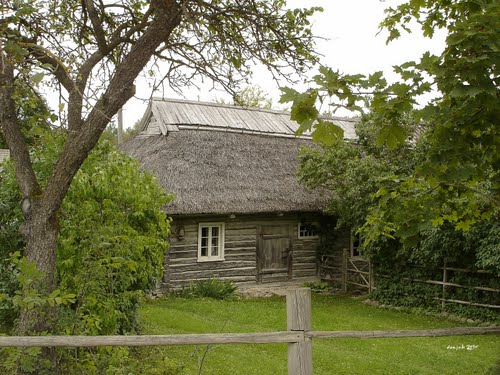
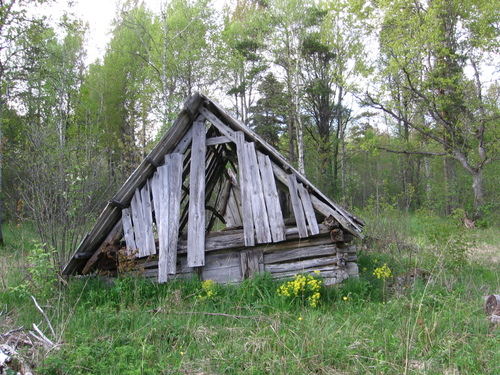
In the villages there are still stone fences and houses with thatched roofs. Dolomite, windmills and the famous local home-brewed beer are the symbols of Saaremaa.
The Saare people have a sing-song intonation, reminiscent of Swedish, which confirms their close ties with lands beyond the sea.
The islanders' lives have always been bound to the sea and the resilience of their womenfolk, kept busy toiling the land while their men were at sea, is legendary in Estonia. The people of Saaremaa claim that there have been only three major sea powers in world history: England, Hiiumaa and Saaremaa.
The people of Saaremaa love jokes- especially the ones which are about their neighbours- the people of Hiiumaa. The jokes of Saaremaa and Hiiumaa folk may be lost on other Estonians, just as is British humour is sometimes not appreciated “on the continent”.
Example Saaremaa joke: Why do people from Hiiumaa always smile when there is thunder and lightning inSaaremaa? They think someone is taking photos of them.
Saaremaa and sour-sweet bread seem to be inseparable. The islanders love black rye bread from the shop or home-baked.
Saaremaa (Duits (hist.) en Zweeds: Ösel) is een eiland voor de westkust van Estland. Het is het op één na grootste eiland in de Oostzee. Het meet 2673 km² en telt 35. 584 inwoners. Daarvan wonen er 15. 000 in de hoofdplaats Kuressaare. De naam van het eiland betekent niet meer dan 'eiland' en dat geldt ook voor de Zweeds/Duitse naam. Samen met het naburige Muhu vormt Saaremaa een provincie (maakond).
Saaremaa is dicht bebost. Kenmerkend voor de begroeiing zijn de talrijke jeneverbesstruiken. De kust is zeer gevarieerd met in het noorden bij Panga steile rotsen.
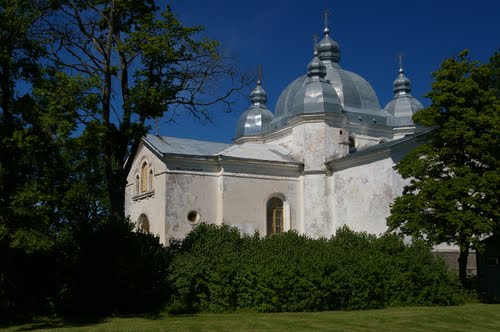
Cultuurhistorisch heeft Saaremaa veel te bieden. De hoofdplaats Kuressaare is ontstaan rond een bisschopsburcht en vanouds bekend als kuuroord. Veel van de kleine plaatsjes op Saaremaa hebben zeer oude kerken (onder meer: Valjala, Karja, Pöide, Kaarma) die ook een verdedigingsfunctie hadden.
Een opvallende geologische bezienswaardigheid op Saaremaa is het kratermeer van Kaali, dat een doorsnee van 110 meter heeft en aan het begin van het eerste millennium v. Chr. ontstaan is door een meteorietinslag.
Het eiland heeft een vaste verbinding met het naburige Muhu, waarmee het samen een provincie vormt. Muhu is vanuit de Estische haven Virtsu te bereiken. Ook is er een bootverbinding met Hiiumaa dat ten noorden van Saaremaa ligt. Tevens is er gedurende de zomermaanden een veerverbinding met Ventspils in Letland.
De geschiedenis van de Zweeds/Duitse benaming Ösel voor het eiland begint met de verovering van 1205 tot 1277 door Duitse ridders. De Öselse ridderschap is een van de levendigste van de Baltische ridderschappen.
Description above from the Wikipedia, licensed under CC-BY-SA full list of contributors
here.